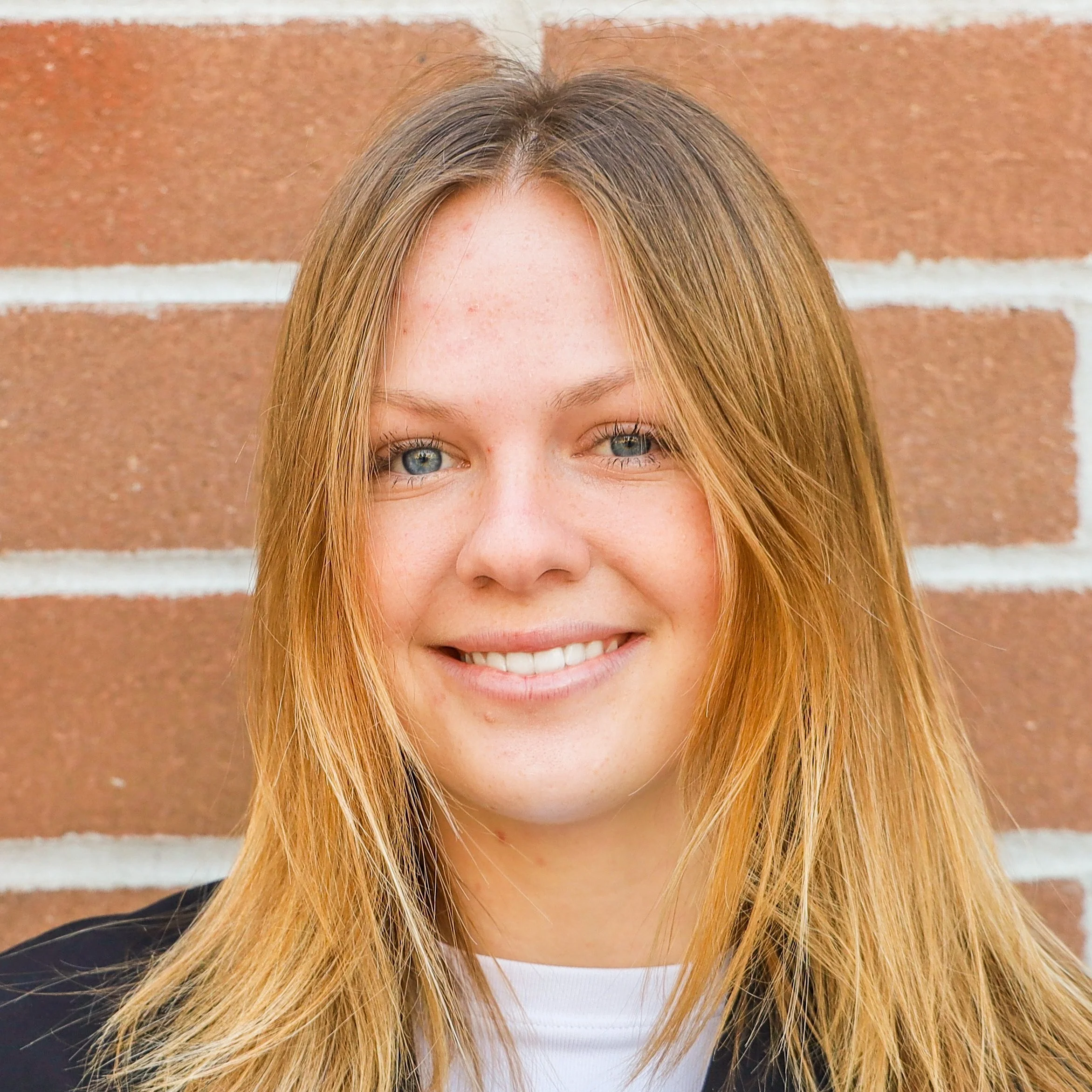
Chronically Passionate: A Growth from Patient to Student Nurse
Living with a chronic illness is a relentless challenge, affecting more than 60% of adults between the ages of 18 and 35. For many, life revolves around doctor appointments—whether annually, quarterly, monthly, or even weekly. These commitments often come at the expense of social events, school, work, and even basic self-care. Yet behind every diagnosis is a person learning how to adapt, persevere, and continue pursuing their goals. Throughout this blog, I hope to explore both the challenges and unexpected strengths that come from living with chronic illness while pursuing a career in nursing.
My Story

I have always had a passion for nursing, even before my own experiences with chronic illness. Acts of service have always been my love language. Caring for others is how I make people feel comfortable, and it has always been what brings me the greatest sense of purpose. Long before I understood what nursing truly entailed, I knew I wanted a career centered around helping others.
That passion only grew stronger after my first hospitalization for severe colitis at age 11, followed by a ruptured appendix. During those hospital stays, my nurses transformed what could have been frightening experiences into ones where I felt safe, cared for, and heard. They eased my pain, protected my dignity, and reminded me that healing extends far beyond medications and procedures. I left those experiences knowing I wanted to become the kind of nurse who could make someone else feel that same sense of comfort.
When I was 12 years old, my hair began thinning, and I struggled to stay awake for more than eight hours at a time. Soon after, I was diagnosed with Hashimoto's hypothyroidism. Hashimoto's is an autoimmune disease in which the immune system attacks the thyroid, an organ responsible for regulating many of the body's metabolic functions. Throughout middle and high school, I managed the condition through medication, lifestyle changes, and frequent laboratory work. Despite the challenges, I graduated as a varsity athlete, ranked in the top 10% of my class, and earned two honors diplomas through advanced coursework. I proudly enrolled at the University of Missouri to pursue my dream of becoming a registered nurse.
During my first year of college, I quickly learned how to excel academically. I thrived on organization, structure, and following every deadline and expectation to the letter. But as the semester progressed, something felt different. While many students joked about the "freshman 15," I was steadily losing weight. I was constantly thirsty, drinking nearly three gallons of water each day, yet never felt satisfied. Eventually, I couldn't make it through a 50-minute lecture without leaving to use the restroom, and my poor roommate was often awakened several times each night as I hurried down the hall to the communal bathroom.
I started researching my symptoms, convinced something was wrong. Every search pointed to diabetes. Like many people, I mistakenly believed that type 1 diabetes only developed in young children, so I convinced myself it had to be type 2. Determined to "fix" the problem, I cut carbohydrates from my diet and increased my cardio workouts.
Shortly before Christmas, my primary care provider confirmed my A1C was 8.3%, well above the normal range, indicating diabetes. While waiting for additional blood work to determine which type I had, everything changed on Christmas Day in 2024.
After enjoying a few pieces of homemade fudge with my family, I became overwhelmingly exhausted and fell asleep. A few days earlier, my mom had purchased me a glucometer. Curious, I checked my blood sugar for one of the first times. Instead of a number, the screen displayed one word: "HI."
Within hours, I was in the emergency department. After receiving insulin, extensive diabetes education, and incredible support from my endocrinology team, I was diagnosed with type 1 diabetes—another autoimmune disease, this time attacking my pancreas.
Suddenly, my daily routine revolved around insulin injections, carbohydrate counting, continuous glucose monitoring, and making countless decisions that most people never have to think about. More importantly, I learned something unexpected: success wasn't about having perfect control anymore. It was about adapting. I had to let go of the idea that everything had to follow a perfect plan and instead learn to thrive despite unpredictability.
How It Fuels Me
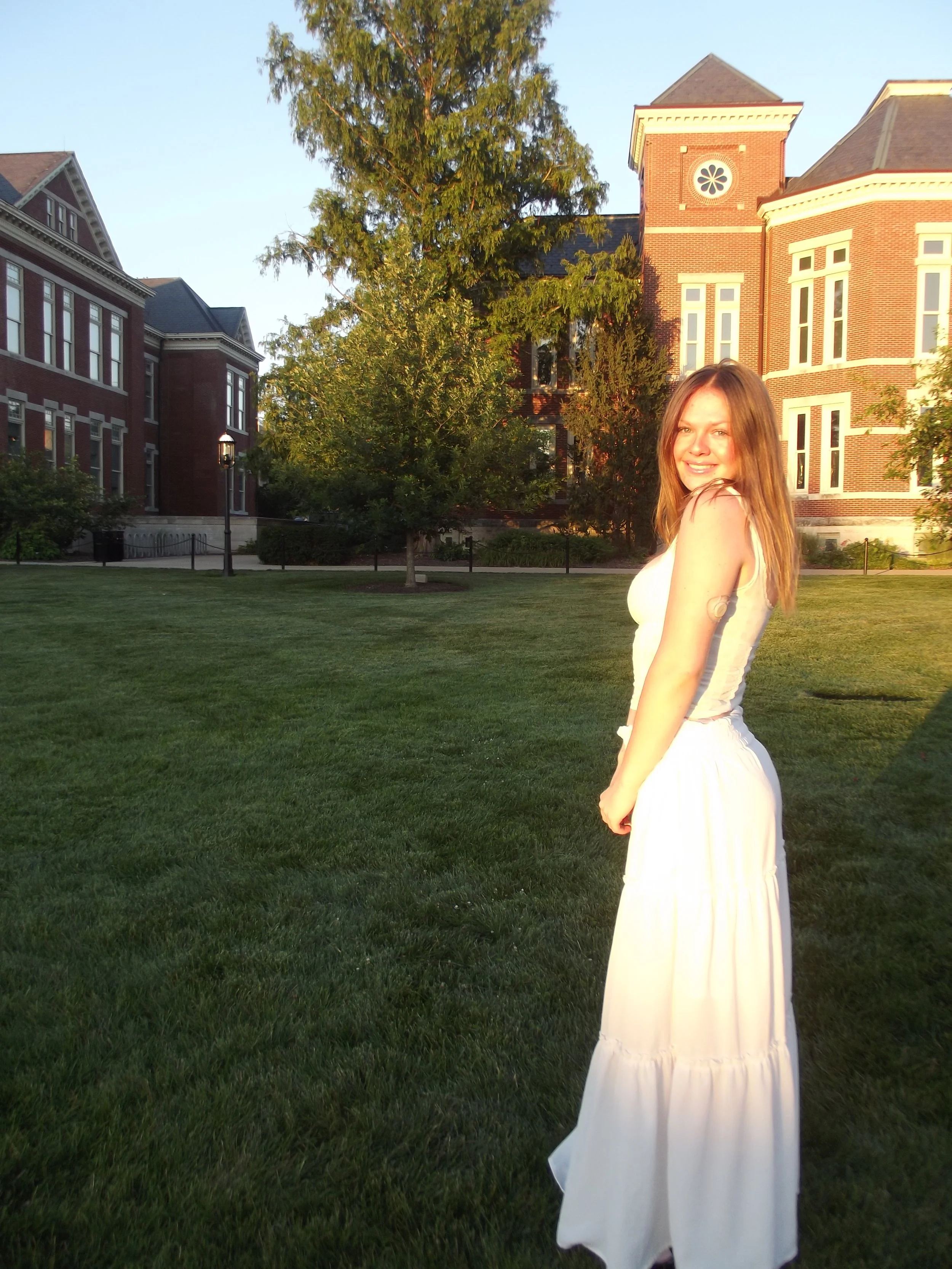
My story is only one among millions of people living with chronic illness, but it has profoundly shaped the kind of nurse I hope to become.
Living on both sides of healthcare has given me a perspective that cannot be taught in a classroom. I understand how exhausting routine blood sugar checks can feel at 2 a.m. I know what it is like to wait anxiously for lab results, to feel overwhelmed by new diagnoses, and to navigate the emotional weight that often accompanies chronic disease. These experiences have taught me that what may seem like small acts to a healthcare provider—a warm blanket, a few extra minutes explaining a procedure, or simply listening—can completely change a patient's experience.
Nursing school has undoubtedly become more challenging since my diagnoses. Managing two autoimmune diseases alongside lectures, exams, and work requires constant flexibility. Yet those same challenges have strengthened my resilience, adaptability, and ability to build meaningful relationships with patients. They remind me that compassion is not simply a skill—it is something cultivated through experience.
Perhaps the greatest gift my illnesses have given me is perspective. Every day, I have the privilege of caring for people whose lives have also been interrupted by illness. While our diagnoses may differ, there is often an unspoken understanding between us. We know what it feels like to surrender control, to rely on others, and to find strength in moments we never expected.
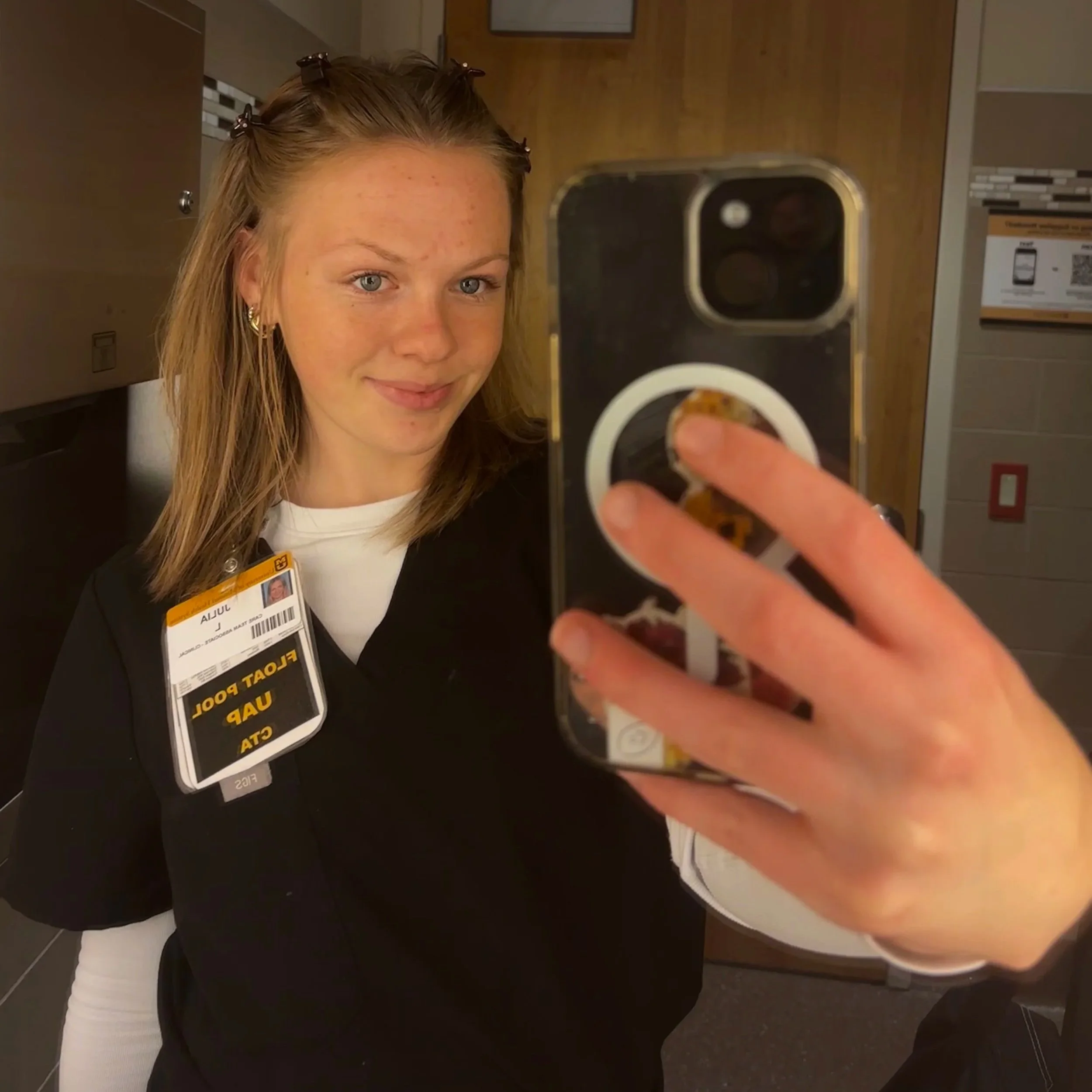
I once believed that my chronic illnesses would become obstacles standing between me and the nurse I hoped to be. Instead, they have become some of my greatest teachers. They have shown me resilience, humility, and the importance of meeting people exactly where they are. My illnesses are not the reason I chose nursing, but they have deepened the passion that first inspired me years ago. Every injection, every appointment, every difficult day has reinforced why I am here.
I am not just studying to become a nurse—I am growing into one. And while chronic illness may always be part of my story, it will never define my future. Instead, it will continue to remind me why I chose this profession in the first place: to help others feel seen, safe, and cared for, just as my nurses once did for me.